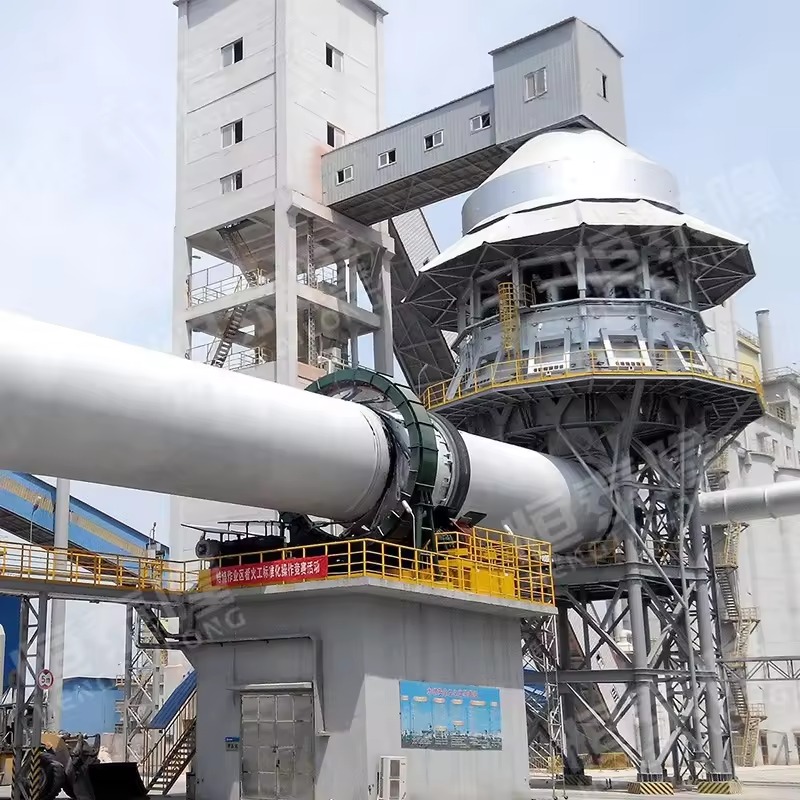
So I’ll be honest — a year ago, if someone asked me to write about kilns, I probably would’ve Googled “what even is a kiln” and gone from there. Not exactly the sexiest topic, right? But then I kind of fell down a rabbit hole reading about industrial manufacturing and thermal processing, and turns out — this stuff is genuinely fascinating once you get past the surface level.
Let me back up a bit.
The Industry Most People Ignore
Kilns are literally everywhere in your life and you don’t even notice. The ceramic mug you’re drinking coffee from right now? Kiln-fired. The tiles in your bathroom? Kiln. The cement that holds together the building you’re sitting in? Yeah, rotary kilns were involved somewhere in that process. Yet nobody’s out here making YouTube videos about kiln manufacturers going viral — and honestly, that’s kind of a shame.
The global kiln market is valued at several billion dollars and it’s growing steadily, especially with the push for cleaner industrial processes and energy-efficient manufacturing. There’s actually been a noticeable uptick in LinkedIn discussions and industry forums around “sustainable kilns” and “low-emission thermal processing” over the last couple years. People in the manufacturing space are definitely paying attention even if the general public isn’t.
What Actually Makes a Good Kiln Manufacturer
Here’s a thing I didn’t realize until I actually started reading into this properly — not all kiln manufacturers are operating at the same level. Like, there’s a massive difference between companies that just assemble equipment and companies that actually engineer solutions around a client’s specific material, temperature requirements, and production volume.
The best manufacturers in this space are usually the ones who’ve been around long enough to understand that every kiln application is genuinely different. Cement kilns, lime kilns, iron ore reduction kilns — they’re not interchangeable designs. A company that treats them like they are is probably not one you want building your next rotary kiln.
Also — and this is something that came up in a Reddit thread I stumbled on while researching — a lot of plant engineers and procurement folks say the after-sales support and sealing solutions matter just as much as the kiln itself. Because if your kiln seals fail, you’re leaking hot gases, losing thermal efficiency, and potentially shutting down production. That’s not a small problem.
Kiln Seals — The Unsung Hero Nobody Talks About
Okay this might be the most underrated sub-topic in this whole space. Kiln seals are those components that sit at the inlet and outlet of a rotary kiln, basically stopping heat and material from escaping where the rotating drum meets the stationary housing. Sounds simple. It is absolutely not simple.
A bad seal can cost a plant hundreds of thousands in energy losses per year — I’ve seen figures thrown around in trade publications that suggest thermal leakage from poor sealing can account for up to 8-10% of a kiln’s total energy consumption in some cases. That’s enormous. And yet it’s one of those things that gets overlooked during the procurement stage because everyone’s focused on the big-ticket kiln itself.
This is exactly the kind of domain knowledge that separates a genuinely experienced Leading Kiln manufacturer from just a vendor. Companies that understand the full system — not just the steel drum — are the ones plants should probably be talking to first.
The “Buy Cheap, Pay Twice” Problem
There’s a real temptation in industrial procurement to go with the lowest bid. I get it — CAPEX is enormous and every finance team is screaming about margins. But with kilns especially, the true cost over a 20-30 year operational lifespan often makes that initial saving look pretty silly in hindsight.
I was chatting with someone at an industry event (okay fine, it was a pretty boring event, but still) who managed procurement for a mid-size cement plant. He told me they’d switched kiln seal suppliers twice in five years trying to save money and ended up spending more on emergency maintenance and unplanned downtime than they ever saved on the component cost. His exact words were something like “we were very smart on paper and very dumb in reality.” Which honestly I thought was a pretty perfect way to put it.
Why Experience in This Space Actually Matters
There’s no shortcut to understanding rotary kiln behavior over years of operation. Materials expand differently at 1400°C than your calculations might predict. Seal wear patterns can tell you a lot about alignment issues you didn’t know you had. These are things that only come from actually being in the field, on-site, watching kilns run.
Companies with deep domain experience tend to build better products not because they’re smarter, but because they’ve failed enough times to know what not to do. That might sound like a backhanded compliment but I genuinely mean it as a positive thing. Engineering knowledge in heavy industry is almost always scar tissue.
One Last Thing
If you’re in the business of evaluating kiln suppliers — whether you’re in cement, minerals, chemicals, or waste processing — I’d seriously suggest going beyond the product brochure. Ask about seal design philosophy. Ask how they handle thermal expansion at high load. Ask for references from plants running similar applications.
The industry is smaller than it looks from the outside, and reputation travels fast. The manufacturers who’ve lasted decades in this space usually have lasted for a reason — and it’s rarely just because they had the cheapest quote.