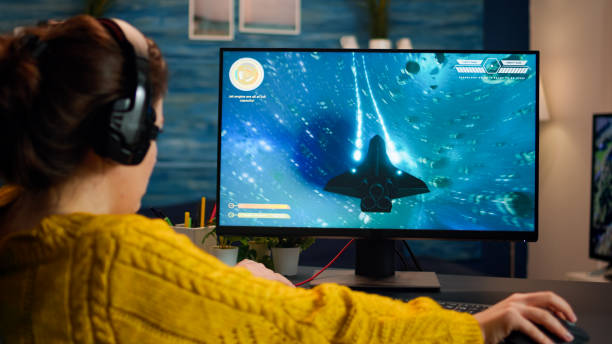
Gaming is no longer just a hobby for a niche crowd—it has transformed into a cultural powerhouse, redefining how we consume entertainment. From interactive storytelling to social connectivity, video games are reshaping the entertainment landscape in ways that movies, TV, and music never could. Let’s dive into how games are revolutionizing entertainment and why this change is here to stay.
Gaming as a Storytelling Medium
Traditional entertainment, like films and books, gives you a story to watch or read. Games, however, put you in the driver’s seat. Titles like The Last of Us or Red Dead Redemption 2 don’t just tell stories—they let you live them. Players make choices, interact with characters, and explore environments, which creates a sense of agency that passive media can’t match.
This level of interactivity has also attracted talent from film and literature. Hollywood actors, writers, and composers are increasingly working on games, bringing cinematic quality and narrative depth to the medium. In many ways, games are bridging the gap between movies and novels, offering stories that are both visually spectacular and emotionally engaging.
The Rise of Social Gaming
Gaming isn’t just about solo experiences anymore—it’s a global social phenomenon. Multiplayer games like Fortnite and Among Us have shown that gaming can be as social as hanging out at a café or attending a concert. Players form communities, create friendships, and even attend virtual events inside games. For instance, live concerts in Fortnite have attracted millions of viewers, combining gaming and live entertainment in a way that traditional platforms can’t replicate.
Social gaming also fuels user-generated content. Platforms like Roblox empower players to design worlds, scripts, and entire games, blurring the line between creators and consumers. It’s entertainment that’s participatory rather than just consumable.
Gaming as an Esport
Professional gaming—or esports—has exploded in the past decade, becoming a legitimate entertainment industry. Tournaments for games like League of Legends, Dota 2, and CS:GO attract millions of viewers online, rivaling traditional sports in both scale and excitement. Esports has created new celebrity players, lucrative sponsorships, and broadcast opportunities.
The rise of esports shows that gaming isn’t just a hobby—it’s a spectator sport. People now watch games for the same reasons they watch football or basketball: competition, drama, and skill mastery. This shift also challenges the traditional view of entertainment as something passive. With esports, audiences are emotionally invested in virtual worlds and digital athletes.
Gaming Meets Technology
Games are often at the cutting edge of technology, pushing entertainment in directions other media can’t. Virtual reality (VR) and augmented reality (AR) games are creating immersive experiences that feel more like living inside a movie than watching one. Titles like Half-Life: Alyx demonstrate how VR can transform interaction, making the user a part of the story in ways films or TV shows never could.
Artificial intelligence is also playing a role. Procedurally generated worlds, smarter NPCs, and adaptive storytelling allow games to offer experiences tailored to individual players. This tech-driven approach gives gamers unique experiences, which enhances replayability and keeps audiences coming back.
Cross-Media Experiences
Games are increasingly crossing into other forms of entertainment, creating hybrid experiences. Streaming platforms like Netflix are experimenting with interactive content, inspired by gaming mechanics. Similarly, franchises like The Witcher or Assassin’s Creed expand across books, TV, and movies, showing how games can be the central hub of a multimedia ecosystem.
This crossover also impacts marketing and fandom culture. Game launches often feel like global events, with tie-in merchandise, streaming marathons, and fan conventions. Entertainment is no longer siloed—games are becoming the connective tissue between various media formats.
Changing the Business of Entertainment
The gaming industry’s business model is also shaking up entertainment economics. Microtransactions, battle passes, and subscription services have introduced ongoing revenue streams that are rare in traditional media. Games like Genshin Impact or FIFA can generate billions annually through player engagement, long after the initial release.
This financial model affects how entertainment is produced. Studios now focus on longevity and community engagement, rather than one-off sales. In essence, games have shifted entertainment from a product to an ongoing service, redefining how creators monetize experiences.
Why This Matters for the Future
Gaming’s influence on entertainment goes beyond fun—it shapes cultural trends, social interaction, and even technology adoption. Its rise has encouraged more immersive storytelling, created new ways to socialize online, and introduced entirely new industries like esports. Unlike movies or TV, which are inherently linear, games provide dynamic, personalized experiences that respond to player choices.
As technology continues to evolve, gaming will likely continue to drive innovation in entertainment. Virtual concerts, interactive shows, and AI-generated content are just the beginning. The line between being a consumer and a participant will blur further, making gaming not just a form of entertainment but a lifestyle and a cultural phenomenon.
Conclusion
Video games have grown far beyond their humble beginnings. They are reshaping storytelling, creating social hubs, fueling competitive sports, and driving technological innovation. The gaming revolution shows no signs of slowing down. Entertainment is no longer something you just watch—it’s something you experience, interact with, and even help shape. As games continue to evolve, they are not just changing entertainment forever—they are defining its future.