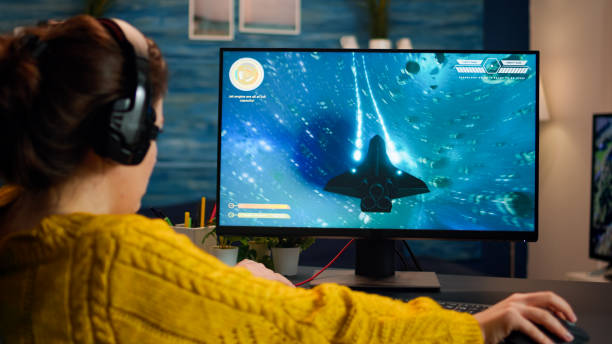
Online gaming is no longer just a niche hobby for a select group of tech-savvy players. It has grown into a global phenomenon, connecting millions of people across continents, cultures, and generations. From casual mobile games to massive multiplayer online worlds, gaming has evolved far beyond its humble beginnings in arcades and living rooms. But what exactly has fueled this explosive growth? Let’s break it down.
The Rise of Accessibility
One of the main reasons online gaming is booming is accessibility. Unlike a decade ago, you no longer need an expensive gaming console or high-end PC to play games. Smartphones, tablets, and even web browsers now support high-quality gaming experiences. Games like PUBG Mobile, Candy Crush, and Clash Royale have made gaming a part of daily life for millions of casual players.
Furthermore, broadband internet and mobile data have become more affordable and widespread, making it easier than ever for people to stay connected and play in real-time. Even in regions where traditional gaming setups were rare, mobile gaming has created a massive new audience. Accessibility isn’t just about devices—it’s also about inclusivity. Game developers now focus on creating experiences that appeal to all age groups, genders, and skill levels, widening the player base significantly.
Social Connection and Community
Another key factor is the social aspect of online gaming. Modern games aren’t just about individual achievements—they’re about collaboration and competition with friends, family, and strangers. Multiplayer online battle arenas (MOBAs) like League of Legends or cooperative games like Fortnite thrive because they allow players to interact, strategize, and build communities.
Gaming communities, both in-game and on social media platforms, have become a central part of this ecosystem. Platforms like Discord, Twitch, and YouTube Gaming allow players to connect, share experiences, and even create content around their gameplay. For many, gaming isn’t just entertainment—it’s a social lifeline, a way to meet people and bond over shared interests, even when physically apart.
Technological Advancements
The technology behind online gaming has seen remarkable leaps, fueling its popularity. Graphics engines, artificial intelligence, cloud computing, and real-time physics simulations create immersive experiences that were unimaginable a decade ago. Games now feature realistic environments, complex storylines, and adaptive gameplay that responds to player decisions.
Cloud gaming is another revolutionary development. Services like NVIDIA GeForce Now, Xbox Cloud Gaming, and PlayStation Now allow gamers to play high-end titles without owning powerful hardware. This “gaming as a service” model lowers barriers to entry and lets players access games instantly, from anywhere with a stable internet connection.
The Appeal of Competitive Gaming
Competitive gaming, or esports, has turned online gaming into a spectator sport. Professional tournaments now attract millions of viewers worldwide, with prize pools reaching millions of dollars. Titles like Dota 2, Counter-Strike: Global Offensive, and Call of Duty have professional leagues where players can earn a living solely from gaming.
Esports has also brought legitimacy to gaming as a career and hobby. Parents, once skeptical, are now seeing pathways for their children to pursue gaming professionally, whether as players, streamers, commentators, or game developers. The rise of esports has given the gaming industry a level of prestige that further drives participation and investment.
Constant Innovation Keeps Players Engaged
Another reason online gaming continues to grow is innovation. Developers constantly introduce new features, updates, and events that keep players coming back. Seasonal content, limited-time events, and in-game rewards create a sense of urgency and excitement.
Moreover, cross-platform play and social integration make games more dynamic. You can now compete with a friend on a PC while you’re on a console or mobile device. This flexibility breaks down traditional barriers and ensures that players stay engaged longer.
Monetization and the Free-to-Play Model
The financial model behind online gaming has also contributed to its growth. Free-to-play games allow anyone to start playing without paying upfront, while optional in-game purchases generate revenue. Cosmetic items, battle passes, and microtransactions provide ongoing income for developers and keep the games evolving.
This model has made gaming financially sustainable on a global scale, enabling studios to invest more in development and marketing. Players benefit too—they can enjoy games for free and choose whether to spend money based on personal preference, making gaming more democratic and appealing to a larger audience.
Gaming as Mainstream Entertainment
Finally, online gaming is bigger than ever because it has become mainstream entertainment. Streaming platforms, celebrity endorsements, and collaborations with movies, music, and fashion have all brought gaming into pop culture. Gamers are no longer isolated—gaming is celebrated in awards shows, magazines, and social media trends.
The line between games and other forms of media is blurring. In-game concerts, interactive storytelling, and virtual experiences show that gaming isn’t just about playing—it’s about engaging in a living, breathing world that entertains, educates, and inspires.
Conclusion
Online gaming’s growth is no accident—it’s the result of technological innovation, social connectivity, accessibility, and cultural acceptance. What started as a pastime for a few enthusiasts has transformed into a multi-billion-dollar global industry that touches nearly every corner of the world.
As technology continues to evolve and gaming communities expand, there’s no reason to think the trend will slow down. Whether you’re a casual mobile player, a competitive esports athlete, or a content creator, online gaming offers something for everyone. And that’s exactly why it’s bigger than ever.