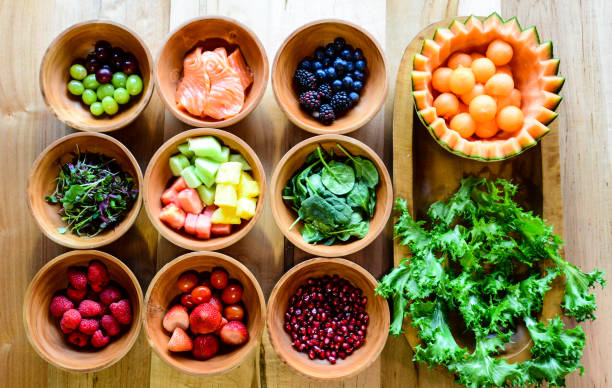
Eating healthy doesn’t have to be complicated or expensive. In fact, small tweaks to your daily routine can make a huge difference in how you feel, how your body functions, and even how much energy you have. If you’re someone who struggles with time, motivation, or knowledge about nutrition, these simple food hacks can help you eat better every day without turning your life upside down.
Start Your Day with Protein
Breakfast often gets overlooked or replaced with something quick and sugary like pastries or cereal. One of the simplest ways to improve your diet is to include protein first thing in the morning. Eggs, Greek yogurt, cottage cheese, or even a protein smoothie can keep you fuller for longer and help stabilize your blood sugar. Think of it like putting good fuel in a car—you wouldn’t fill it with junk and expect it to run smoothly all day.
Even small additions, like a spoonful of peanut butter on whole-grain toast or a handful of nuts with your oatmeal, can make a huge difference. Protein not only supports muscle health but also prevents those mid-morning cravings that usually lead to unhealthy snacking.
Prep Ingredients in Advance
Meal prep isn’t just for bodybuilders—it’s for anyone who wants to eat healthier without relying on fast food. Washing and chopping vegetables, cooking grains like rice or quinoa, and portioning snacks in advance can save you time and stress.
For example, having pre-cut carrot sticks, cucumber slices, or bell pepper strips ready in the fridge makes it much easier to grab a healthy snack instead of reaching for chips. Similarly, cooking a batch of chicken, lentils, or beans at the start of the week allows you to throw together meals quickly. It’s not about cooking elaborate meals every day; it’s about making the healthy choice the easy choice.
Keep Healthy Snacks Visible
We often eat what we see first. If a bowl of candy sits on the counter while an apple is tucked in the fridge drawer, your brain will likely grab the candy. Instead, make healthy foods more visible and convenient. Keep a fruit basket on your kitchen counter, store nuts in a clear jar, or have pre-portioned yogurt cups in your fridge.
Even something as simple as switching from chips to roasted chickpeas or almonds can improve your nutrient intake dramatically over time. This visual reminder encourages better choices without requiring extra willpower.
Use Smaller Plates and Bowls
Portion control is surprisingly simple with a tiny trick: smaller dishes. Studies have shown that people tend to eat less when they use smaller plates, bowls, or even spoons. This is because the brain perceives the plate as full, even if the quantity is less.
Pair this with mindful eating—slowing down, savoring each bite, and listening to your body’s hunger cues—and you’ll naturally consume fewer calories while still feeling satisfied. Eating slowly also improves digestion, as it gives your stomach time to signal the brain that you’re full.
Hydrate Before You Eat
Sometimes we mistake thirst for hunger. Drinking a glass of water before meals can help prevent overeating and keeps your body properly hydrated. If you struggle to drink enough water throughout the day, try infusing it with fruits or herbs like lemon, cucumber, or mint.
Staying hydrated doesn’t just reduce unnecessary snacking; it also supports metabolism, energy levels, and even skin health. A simple habit like keeping a water bottle at your desk can make a noticeable difference.
Spice Up Your Meals
Using herbs and spices is an easy way to make healthy foods more flavorful without adding calories, sugar, or unhealthy fats. Turmeric, cinnamon, paprika, ginger, garlic, and chili can enhance both taste and nutrition. Some spices even have health benefits, like reducing inflammation or improving digestion.
Instead of relying on heavy sauces or salt, experiment with different combinations of spices. For example, roasted vegetables with paprika and garlic, or oatmeal with cinnamon and nutmeg, can feel indulgent while staying nutritious.
Swap Processed Foods for Whole Foods
One of the easiest hacks for healthier eating is swapping processed foods with whole, minimally processed alternatives. Instead of packaged snacks, choose fruits, vegetables, nuts, or seeds. Swap white rice for brown rice or quinoa, and replace sugary drinks with water, herbal tea, or sparkling water.
This doesn’t mean you have to eliminate everything you enjoy; moderation is key. Even small swaps, like choosing whole-grain bread instead of white bread, can improve fiber intake and help maintain steady energy levels throughout the day.
Cook More at Home
Eating out frequently often leads to consuming extra salt, sugar, and unhealthy fats. Cooking at home allows you to control what goes into your meals. Start small—maybe one or two homemade dinners per week—and gradually increase as you get more comfortable.
Home-cooked meals don’t have to be fancy. A simple stir-fry, baked fish with roasted vegetables, or a hearty salad with beans can be nutritious and satisfying. Plus, cooking can be a fun way to experiment with flavors and learn more about your food.
Listen to Your Body
Healthy eating isn’t just about following rules or counting calories—it’s about tuning in to your body. Eat when you’re hungry, stop when you’re full, and pay attention to how different foods make you feel. Some people notice more energy after meals with protein and complex carbs, while others feel sluggish after heavy, processed meals.
Journaling or tracking meals for a short period can help identify patterns, but the ultimate goal is to develop a healthy relationship with food. Your body is smart; learning to listen to it is one of the most sustainable food hacks there is.
Make it Enjoyable
Finally, remember that healthy eating should be enjoyable, not stressful. If you enjoy what you eat, you’re more likely to stick with it. Experiment with new recipes, try different cuisines, and include occasional treats. Life is about balance, not perfection.
Small, consistent changes lead to lasting results. Over time, these simple food hacks—starting your day with protein, prepping in advance, keeping healthy snacks visible, using smaller plates, staying hydrated, spicing meals, swapping processed foods, cooking at home, listening to your body, and making eating enjoyable—will add up to a healthier, more satisfying lifestyle.
Eating better doesn’t have to be hard or restrictive. By making these small adjustments, you’ll not only improve your health but also develop a more mindful and enjoyable relationship with food.